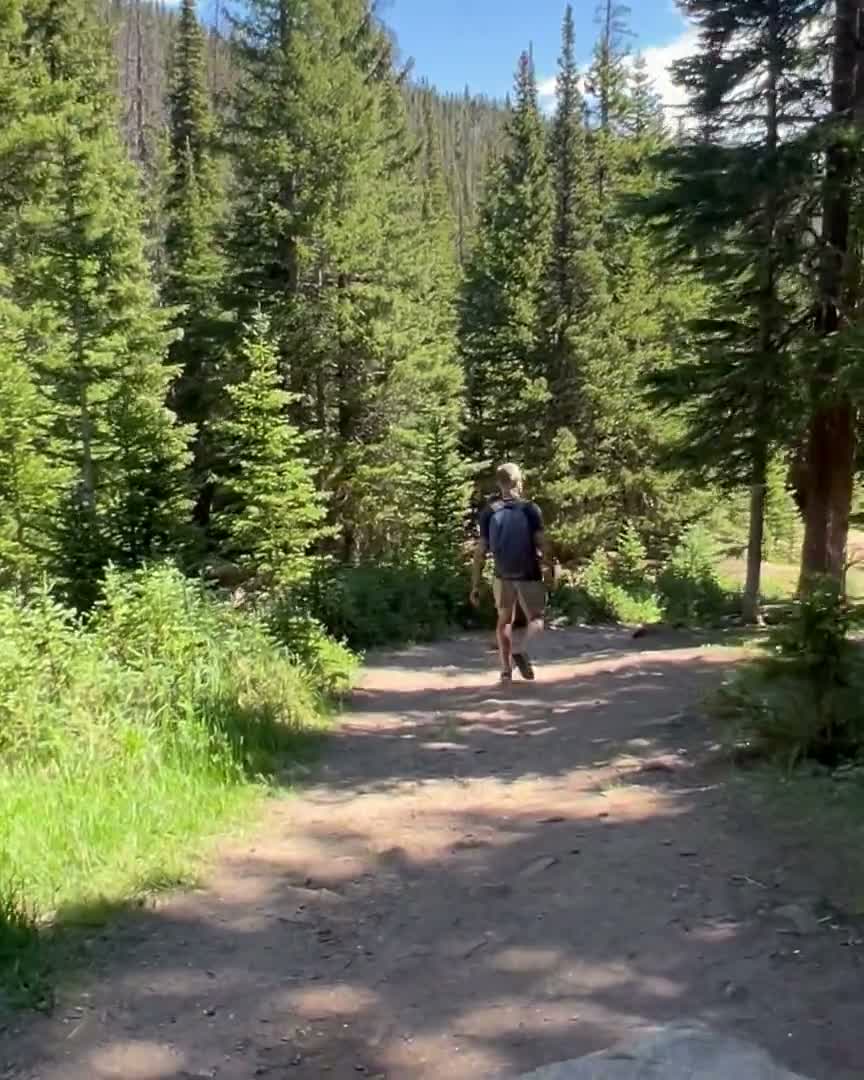

Come Back to Your Senses: Forest Therapy
Seventeen
ways
into
the woods.
A forest therapy walk in seven practices, in the order guides use. Then ten more that go beyond the walk.
Cross a threshold, wake up your senses, slow down, sit, share tea and cross back. Every practice has a guided voice mode, a diagram, the research behind it and one rule. No forest required. Four are open here. The other thirteen unlock free with your email.All seventeen are open, with the walk planner and the pulse log.
Before you start, take one slow breath in through your nose and a longer one out. That’s already the first practice working.
The shape of the walk.
One loop, seven stops, in the order forest therapy guides use. The ten spots off the trail go beyond the walk. Pick any marker to see what happens there.
Today in the woods.
NeuroSomatic Yoga · Forest therapy
Come Back to Your Senses
A forest therapy walk in seven practices, in the order forest therapy guides use: cross a threshold, wake up your senses, slow down, accept an invitation, sit, share tea, and cross back. Do them as one walk, or one at a time on any patch of green. Then ten practices that go beyond the walk: listen, notice, give something back, look for awe, move, measure, practice kindness, grow something, make something beautiful, and rest.
Before you start, take one slow breath in through your nose and a longer one out. That's already the first practice working.
The shape of the walk
Beyond the walk
- The SoundwalkListening · 7 min
- Notice NatureNoticing · 2 weeks
- The Give-Back WalkStewardship · 20+ min
- The Awe WalkAwe · 15 min
- Green FlowMovement · 8 min
- Measure the ForestMeasuring · 30 min
- Kindness in the WoodsCompassion · 9 min
- Grow SomethingGrowing · 20 min
- Small BeautyBeauty · 20 min
- Canopy RestRest · 13 min
Do it as one walk
Start at practice 1 and finish at practice 7. The full guided walk takes just under an hour and usually covers less than a mile. Slow is the point.
Or one at a time
Each practice stands on its own. Two minutes at lunch counts. So does twenty minutes on your back step.
No forest required
A park, a backyard, one tree on your street or a window all work. Dress for the weather, tell someone where you're going, and skip anything that hurts.
Practice 1 · The threshold in
Cross the Threshold
Your body made it to the park. Did you?
A one-minute ritual at the edge of any green space, so the rest of you arrives too.
You're not bad at slowing down.You never marked the start.
Most days have no doorway in them. Work runs into errands runs into scrolling. A threshold is a doorway you make on purpose.
The practice
- 1
Find your line
Pick a natural edge: where pavement turns to grass, a gap between two trees, or a stick you lay across the path.
- 2
Set something down
Stand at the line and take three slow breaths. On each exhale, name one thing you're leaving on this side: the inbox, the list, the argument.
- 3
Step across slowly
Take one deliberate step over the line. Pause on the other side and feel your feet. You've arrived. Everything after this is the walk.
At a glance
Stop. Set it down. Step across.

The invitations
- What are you leaving on this side?
- What would you like to notice over there?
- How does the ground feel once you've crossed?
Ask yourself one at a time. Answer silently. There are no wrong answers.
Why it works
The pause is part of it
In a pre-registered lab study, people practiced a made-up ritual at home for a week, then performed it before a demanding attention task. Afterward their brains reacted less sharply to their own mistakes, the pattern you would expect if ritual takes the edge off anxiety. Their scores did not change. And across forest-bathing studies, cortisol was already lower in the forest groups before the walk began, a sign that anticipation does part of the work.
Hobson, Bonk & Inzlicht, PeerJ (2017) · Antonelli, Barbieri & Donelli, International Journal of Biometeorology (2019)
The one rule
Stop at the line.
Don't stroll through it. The stop is the ritual. If all you have time for is one breath, take one breath.
Keep this for the next walk you spend on your phone.
Practice 2 · The senses
Pleasures of Presence
When did you last hear a bird on purpose?
Five minutes standing still, one sense at a time. It's how every forest therapy walk begins.
You're not disconnected.You're running on one sense.
Most days your eyes and a screen do all the work. This practice hands the job to your other senses, one at a time, until your whole body is taking in the place.
The practice
- 1
Smell the air
Stand or sit comfortably and close your eyes if that feels okay. Breathe in through your nose. Notice what the air smells like: damp, cold, green, or nothing at all.
- 2
Listen, then feel
Find the farthest sound you can hear, then the closest. Then feel the air on your face and hands. Is it moving? Is it warmer or cooler than you expected?
- 3
Open your eyes last
Open them slowly, as if for the first time. Let your gaze rest on whatever draws it. Don't name it yet. Just look.
At a glance
One sense at a time.

The invitations
- What are you noticing?
- Which sense is the loudest right now?
- What's here that you walked past yesterday?
Ask yourself one at a time. Answer silently. There are no wrong answers.
Why it works
Nature sounds help you come down
After a stressful math test, 40 people listened to birdsong and a fountain, or to traffic. Skin conductance, a sweat-gland sign of the body's alarm, tended to settle faster with the nature sounds. Across forest-bathing trials, the clearest short-term drop was in anxiety.
Alvarsson, Wiens & Nilsson, Int J Environmental Research and Public Health (2010) · Kotera, Richardson & Sheffield, Int J Mental Health and Addiction (2022)
The one rule
Go slower than feels useful.
Give each sense a few full breaths before you move on. If closing your eyes doesn't feel safe, rest your gaze on the ground instead.
Keep this for the next time you're outside but not really there.
Practice 3 · The slow walk
What's in Motion
Walk so slowly it feels ridiculous.
Fifteen minutes at a crawl, with one job: notice what's moving.
You're not overthinking.Your attention has nowhere better to go.
A looping thought is attention with no better offer. Swaying branches, landing birds and drifting clouds hold your attention gently, without demanding it, and give your mind somewhere softer to land.
The practice
- 1
Slow way down
Walk at about half your usual pace, then halve it again. Let your arms hang loose. If people pass you, you're doing it right.
- 2
Look for what moves
Notice only what's in motion: a branch swaying, a bird landing, a cloud drifting, grass bending in the wind, your own breath.
- 3
Catch the speed-up
When you notice you've sped up or drifted into thought, stop completely. Find one thing that's moving. Then walk on, slowly.
At a glance
Slow down. Notice. Stop when you rush.

The invitations
- What's moving that you'd normally miss?
- What's the slowest thing in motion here?
- What's moving inside you?
Ask yourself one at a time. Answer silently. There are no wrong answers.
Why it works
Nature gives tired attention a break
After a walk through a park, people improved more on a demanding attention test than after a walk down city streets. In another study, a 90-minute nature walk lowered rumination and activity in a brain area tied to it. A city walk didn't.
Berman, Jonides & Kaplan, Psychological Science (2008) · Bratman et al., PNAS (2015)
The one rule
When you rush, stop.
Don't fight a wandering mind. Stop walking, find one thing that moves, and start again. The stopping is the practice.
Keep this for the next time one thought won't let go.
Practice 4 · An invitation
Hands on the Living World
Your hands spent all day on glass and plastic.
Two minutes with your hands on bark, moss, stone or leaves. Eyes closed, curiosity open.
You're not restless.Your hands are under-fed.
Your fingertips are packed with touch receptors, and most days all they get is smooth glass. Bark, moss, cold stone and a dry leaf give them something real to read.
The practice
- 1
Find a texture
Let your eyes find something that invites touch: rough bark, soft moss, a smooth stone, a pine needle, a cold leaf.
- 2
Touch it, eyes closed
Rest your palm on it for about a minute and a half. Then explore with your fingertips. Notice temperature, texture, edges and give.
- 3
Look at what you felt
Open your eyes and look at what you were touching. Did it match what your hands told you? Find one word for how it felt.
At a glance
Pick it. Palm it. Then look.

The invitations
- What do your hands notice that your eyes missed?
- Is it warmer or colder than your skin?
- What does your breath do while your hand rests here?
Ask yourself one at a time. Answer silently. There are no wrong answers.
Why it works
Your palm knows wood from steel
When 18 women rested a palm on untreated oak for 90 seconds, prefrontal brain activity calmed more than when they touched marble, tile or steel, and a heart-rate marker of rest went up. It's one small lab study, and trying it costs you two minutes.
Ikei, Song & Miyazaki, Int J Environmental Research and Public Health (2017)
The one rule
Look before you touch.
Check for thorns, ice, poison ivy and anything that bites. Leave mushrooms, berries and nests alone. In the cold, a few seconds bare-handed counts.
Keep this for the next time you've scrolled for an hour.
Practice 5 · The sit spot
Sit Spot
Sit in one spot for 20 minutes. See what shows up.
Twenty minutes, one spot, nothing to do. Come back every week and it starts to feel like yours.
You're not wasting time.You're letting the place move first.
When you go still, the place starts moving again: birds come back, squirrels carry on, the light shifts. Keep returning to the same spot and you'll see what changes with the seasons, and with you.
The practice
- 1
Choose your spot
Pick a place close enough to visit often: a park bench, a tree in your yard, a step by a window. Close beats beautiful.
- 2
Settle and stay
Sit for about twenty minutes. No phone, no book, no conversation. Let your eyes and ears wander. When you get restless, stay a little longer.
- 3
Come back
Return to the same spot each week, in every season. Each time, notice one thing that's different from your last visit.
At a glance
One spot. Every week. Every season.

The invitations
- What came back once you went still?
- What's changed since your last visit?
- What is this place doing today?
Ask yourself one at a time. Answer silently. There are no wrong answers.
Why it works
20 to 30 minutes is the sweet spot
For eight weeks, 36 city dwellers spent time somewhere that felt like nature, with no phones or conversation. Their cortisol fell faster than its normal daily decline. The best return per minute came at 20 to 30 minutes, sitting or walking.
Hunter, Gillespie & Chen, Frontiers in Psychology (2019)
The one rule
Stay past the itch.
The urge to get up usually comes early. Wait it out. And dress for sitting, not walking: you cool down fast when you're still.
Pick your spot today.
Practice 6 · The tea
The Tea Circle
Don't rush from the trail back to the car.
A warm cup, a first sip offered back to the land, and one thing you noticed, said out loud.
You're not done when the walk ends.This is where it sinks in.
Noticing nature is the start. Putting what you noticed into words is what helps it last. The tea is the pause that makes room for both.
The practice
- 1
Pour and hold
Pour a cup from your thermos. Hold it in both hands and feel the warmth before you drink.
- 2
Offer the first sip
Forest therapy guides often offer the first sip back to the land. Pour a little on the ground as a thank-you, or simply raise your cup.
- 3
Share one thing
Take turns saying one thing you noticed today, in a sentence or two. Everyone else just listens. Alone? Say it out loud or write it down.
At a glance
Pour. Offer. Share.

The invitations
- What did you notice today?
- What surprised you?
- What do you want to remember from this walk?
Ask yourself one at a time. Answer silently. There are no wrong answers.
Why it works
Noticing nature builds connection
People who wrote down three good things in nature each day for five days felt more connected to nature, and still did two months later. A group that wrote neutral facts didn't change. As connection rose, psychological health improved too.
Richardson & Sheffield, PsyEcology (2017)
The one rule
If you can't name it, don't brew it.
Never brew a wild plant unless you can identify it with certainty. Allergies, pregnancy or medications? Stick to store-bought tea.
Keep this for your next walk with a friend.
Practice 7 · The threshold out
Bring It Home
The walk is over. What are you taking home?
A second threshold to close the walk, so the calm comes back with you instead of staying in the trees.
You didn't lose the calm.You never packed it.
Most walks end in a parking lot, mid-thought. A closing threshold gives you one moment to choose what comes home with you.
The practice
- 1
Find your way out
Go back to the line you crossed on the way in, or choose a new one: a gate, a curb, your car door.
- 2
Choose one gift
Before you cross, name one thing you're taking with you: a sound, a feeling, a quieter breath, an idea.
- 3
Cross and come back
Step over the line slowly and feel your feet on the other side. Give it a few minutes before you drive. You may feel sleepier than you expect.
At a glance
Come back. Choose one gift. Step across.

The invitations
- What is one gift from today?
- Where will you need it this week?
- When will you come back?
Ask yourself one at a time. Answer silently. There are no wrong answers.
Why it works
Two hours a week adds up
In a survey of nearly 20,000 people in England, those who spent at least 120 minutes in nature in the past week were more likely to report good health and high wellbeing. One long visit or several short ones made no difference.
White et al., Scientific Reports (2019)
The one rule
Plan the next one before you leave.
Pick a day and a place now, while your body still remembers how this felt. Short visits count.
Keep this for the long winter ahead.
Practice 8 · Beyond the walk · Listening
The Soundwalk
There's a whole orchestra outside. You've been tuning it out.
Close your eyes, count every sound, map where each one comes from, then walk slowly and listen to the map change.
You're not bad at being still.Your ears never got the invitation.
Most of us live inside noise we've learned to tune out. Tuning back in, on purpose, is one of the fastest ways out of your head.
The practice
- 1
Close your eyes
Stand or sit somewhere safe. Close your eyes or lower your gaze, and take three slow breaths.
- 2
Count the sounds
Count every separate sound you can hear: birds, wind, water, leaves, even traffic. Try to reach ten.
- 3
Map them, then walk
Point to where each sound comes from: near, far, left, right. Then walk slowly and listen to the map change.
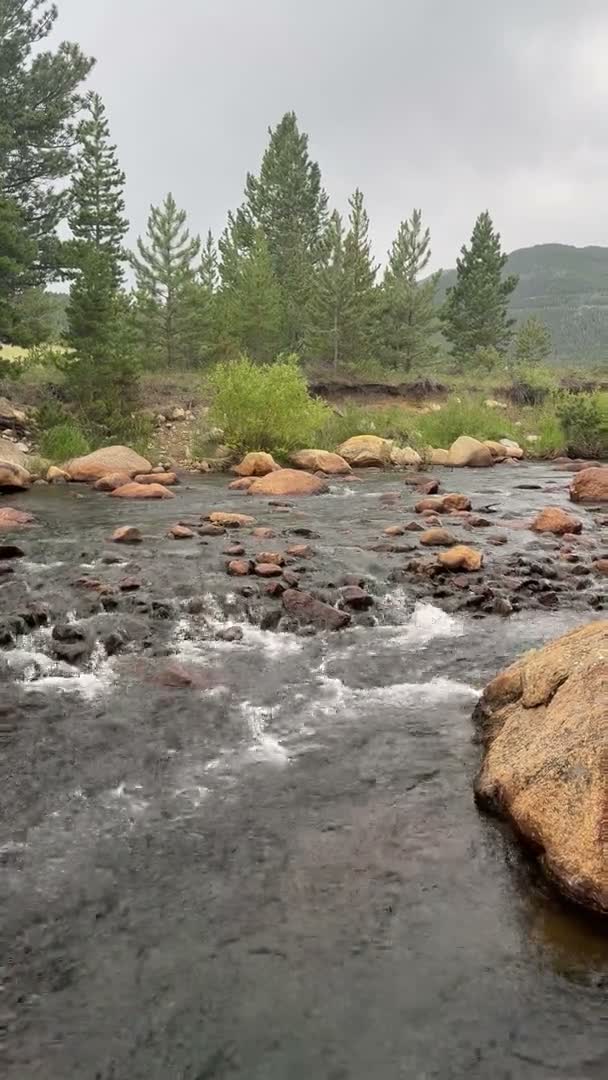
No creek nearby?
Borrow this one.
A mountain stream, on a loop. Close your eyes and count how many sounds are hiding inside the one sound.
In the review cited below, water sounds did the most for health and mood.
At a glance
Close. Count. Map.

The invitations
- What's the quietest sound you can hear?
- Which sound would you miss if it stopped?
- What's under the noise?
Ask yourself one at a time. Answer silently. There are no wrong answers.
Why it works
Natural sound calms the body
A review of studies on natural sounds found less stress and annoyance, and better health and mood, in people who heard them. Water sounds did the most for health and mood. Birdsong did the most for stress. And a review of 25 studies found mindful attention practiced outdoors brought medium-sized benefits, bigger in wild places.
Buxton et al., PNAS (2021) · Djernis et al., IJERPH (2019)
The one rule
Don't fight the noise. Find what's under it.
Traffic and planes count too. Let them be there, then listen past them. Close your eyes only while you're standing or sitting still.
Keep this for a day you can't get far from home.
Practice 9 · Beyond the walk · Noticing
Notice Nature
The best nature in your week is on your commute.
For two weeks, notice the everyday nature you already pass, take one photo, and name how it made you feel.
You're not too busy for nature.You're walking past it.
The houseplant, the weed in the sidewalk crack, the sky between buildings. It's already on your route. This practice teaches you to see it.
The practice
- 1
Notice it
Go about your normal day. Watch for nature that catches your attention: a houseplant, a weed in a crack, a bird, light through a window.
- 2
Snap it
Stop for a moment and take one photo. It doesn't need to be good. Aim for one a day for two weeks.
- 3
Name the feeling
Under the photo, write one line about how it made you feel. Calm, curious, surprised, homesick: all of it counts.
At a glance
Notice. Snap. Name it.

The invitations
- What stopped you today?
- What did it make you feel?
- What have you walked past a hundred times without seeing?
Ask yourself one at a time. Answer silently. There are no wrong answers.
Why it works
Noticing beats going somewhere
395 college students were randomly assigned for two weeks to notice nature on their usual routine, notice human-made things, or carry on as usual. The nature group ended up with higher well-being, more uplifted feelings and a stronger sense of connection to other people. Later studies repeated it, including one run in winter. Across 25 studies of mindfulness in nature, informal, everyday noticing like this tended to do better than formal meditation.
Passmore & Holder, Journal of Positive Psychology (2017) · Passmore, Yargeau & Blench, Frontiers in Psychology (2022) · Djernis et al., IJERPH (2019)
The one rule
Don't change your route. Change your attention.
In the research, people kept their usual routine. The point is the nature you already pass, not a special trip. Stop only where it's safe. Take the photo, then put the phone away.
Keep this for a gray week.
Practice 10 · Beyond the walk · Stewardship
The Give-Back Walk
You've taken a lot from the woods. Time to give something back.
Walk slowly first, then care for one spot: pick up litter, water a tree, or join a restoration day. Then notice how you feel.
You're not just a visitor here.You can be a caretaker.
Forest therapy usually runs one way: the place gives and you receive. Caring for it makes the relationship go both ways.
The practice
- 1
Walk slowly first
Spend ten minutes walking at half your usual pace. Let the place show you what it needs.
- 2
Give something back
Pick up litter along a stretch of trail, water a street tree, or join a local restoration day to plant or clear invasive plants.
- 3
Notice what changed
When you're done, stand still for a minute. Look at the spot you cared for, and notice how you feel.
At a glance
Walk. Give back. Notice.

The invitations
- What does this place need?
- What has this place given you?
- How does it feel to look at what you did?
Ask yourself one at a time. Answer silently. There are no wrong answers.
Why it works
Caring for a place cares for you
In a 20-year study of thousands of adults, people who volunteered for environmental groups in midlife were more active, rated their health better and had fewer symptoms of depression later on. It's a link, not proof. Separately, caring for nature predicted feeling connected to it, while learning facts about nature didn't.
Pillemer, Fuller-Rowell, Reid & Wells, The Gerontologist (2010) · Lumber, Richardson & Sheffield, PLOS ONE (2017)
The one rule
Leave it better than you found it.
Small counts: one bag of litter or one watered tree is the whole practice. Wear gloves, leave sharp objects for park staff, and follow the site's rules about plants.
Keep this for your next free Saturday.
Practice 11 · Beyond the walk · Awe
The Awe Walk
Your walks have a destination. This one has a feeling.
Once a week, walk for 15 minutes looking for something vast, intricate or surprising, and take a photo at the start, middle and end.
You're not too old for wonder.You stopped looking for it.
Awe is the feeling of standing near something bigger than you that you don't fully understand. Kids find it everywhere. Adults have to go looking.
The practice
- 1
Look up and out
Walk slowly and look for anything vast: the sky, the tallest tree, the far horizon, a storm moving in.
- 2
Look close
Then look for anything intricate: frost on a leaf, bark patterns, a spider web, light on water.
- 3
Take three photos
Snap one photo at the start, middle and end of the walk, of whatever stops you. Look back at them later in the week.
At a glance
Look up. Look close. Let it in.

The invitations
- What here is bigger than you?
- What here would take a lifetime to understand?
- What surprised you today?
Ask yourself one at a time. Answer silently. There are no wrong answers.
Why it works
Awe makes the self smaller, in a good way
60 healthy older adults took a 15-minute walk once a week for 8 weeks. Half were taught about awe and asked to look for it. Compared with ordinary walkers, the awe walkers felt more joy, compassion and gratitude during their walks, and less distress in their daily lives.
Sturm, Datta, Roy, Keltner et al., Emotion (2020)
The one rule
Look for what you can't explain.
Awe needs something vast or mysterious. If you understand it at a glance, keep looking. Stop walking when you look up.
Keep this for a week that feels too small.
Practice 12 · Beyond the walk · Movement
Green Flow
Your yoga mat has four walls. Take it outside.
A slow standing flow built on three nature poses, mountain, willow and tree, done outdoors with your senses open the whole time.
You don't need a quieter studio.You need a bigger one.
The same movement feels different outside. Under open sky, your senses come along for the ride.
The practice
- 1
Mountain
Stand tall, feet hip-width apart, arms by your sides. Feel the ground, the air and the light. Take three slow breaths.
- 2
Willow
Sweep your arms overhead and lean gently to one side, then the other, like a willow in the wind. Five slow breaths each side.
- 3
Tree
Stand on one leg near a real tree, hand on the trunk if you need it. Switch sides, then fold forward and let your head hang to finish.
At a glance
Mountain. Willow. Tree.

The invitations
- What does the ground feel like under you?
- What moves when you move?
- Which tree would you choose as your teacher?
Ask yourself one at a time. Answer silently. There are no wrong answers.
Why it works
Outside adds something
A review that pooled 16 randomized trials of outdoor nature activities found less depression and anxiety and more positive mood, and green exercise was one of the activities that stood out. Trials comparing the same exercise indoors and outdoors found more energy and less tension outdoors. Calm sometimes dropped, so this flow ends slow.
Coventry et al., SSM Population Health (2021) · Thompson Coon et al., Environmental Science & Technology (2011)
The one rule
Slower than your indoor practice.
Outside, the ground is uneven and there's more to notice. Keep the poses simple and let the place set the pace. Skip balance poses on ice, wet grass or slopes. Use a tree or a wall for support.
Keep this for the first warm morning.
Practice 13 · Beyond the walk · Measuring
Measure the Forest
Don't take my word for it. Take your pulse.
Rate your mood and take your pulse, walk slowly among trees, then sit and measure both again. Run it on a city day too, and compare.
You're not just trusting a feeling.You're running an experiment.
Japan certifies forest therapy sites by measuring what they do to the body. You can run a small version of the same test, with a watch, a ring or two fingers on your wrist.
The practice
- 1
Sit and measure
Sit still for five minutes. Rate your mood from 1 to 10, then take your pulse with your fingers, a watch or a ring. Write both down.
- 2
Walk among trees
Walk slowly for twenty minutes somewhere green. Don't try to relax. Just walk and look around.
- 3
Sit and measure again
Sit still for five minutes, the same way, then rate your mood and take your pulse again. On another day, try it on a city street and compare.
Log your readings
Write down your before and after mood and pulse. Run it on a city day too, and see what your own data says.
Where How you measuredSaved only in this browser. This is curiosity, not diagnosis. Take worrying numbers to your doctor.
At a glance
Measure. Walk. Measure again.

The invitations
- What do you notice in your body before you look at the number?
- Did your body change before your mind did?
- Where did you feel the walk the most?
Ask yourself one at a time. Answer silently. There are no wrong answers.
Why it works
Forests lift mood. Your pulse drops too.
In randomized trials, forest therapy programs significantly reduced depression. A review of 36 studies with 3,554 people found less depression and anxiety too. Single visits lower pulse and blood pressure in the moment (20 trials, 732 people), but longer randomized trials haven't shown lasting blood pressure drops. So test it on yourself, mood included.
Yi, Seo & An, IJERPH (2022) · Siah et al., International Journal of Mental Health Nursing (2023) · Ideno et al., BMC Complementary and Alternative Medicine (2017)
The one rule
Same method, same posture, every time.
A number only means something next to another number taken the same way. Sit, wait five minutes, then measure. Every time. This is curiosity, not diagnosis. A watch isn't a blood pressure cuff. Take worrying numbers to your doctor.
Keep this for a day you want proof.
Practice 14 · Beyond the walk · Compassion
Kindness in the Woods
You're kind to everyone except the person in your head.
Slow your breathing, silently wish a living thing well, then turn the same kind words toward yourself.
You're not bad at self-compassion.You just started in the hardest place.
Being kind to yourself is hard to do cold. Being kind to a tree is easy. Start there, then let the kindness turn around.
The practice
- 1
Breathe slowly
Sit or stand comfortably. Breathe in for four and out for six. Let your face soften, as if you're about to greet a friend.
- 2
Wish it well
Choose one living thing nearby. Silently offer it a few kind words: may you be healthy, may you be safe, may you keep growing.
- 3
Turn it toward you
Place a hand on your chest and offer yourself the same words in the same warm voice. Notice what happens.
At a glance
Breathe. Wish. Turn inward.

The invitations
- What would you say to this tree if it were struggling?
- Whose voice sounds kind to you?
- What do you need to hear today?
Ask yourself one at a time. Answer silently. There are no wrong answers.
Why it works
Kindness is trainable. Forests help.
Across 27 randomized trials, self-compassion training lowered depression and stress with moderate effects, and cut rumination even more. In a UK trial, 61 university staff and students did forest bathing, compassion training or both. All three groups improved by similar amounts, including compassion and rumination, and 57% showed a rise in heart rate variability.
Ferrari et al., Mindfulness (2019) · McEwan et al., Sustainability (2021)
The one rule
Kindness first. Then turn it around.
Start with the easy target: the tree. Let the warmth build before you point it at yourself. If kindness toward yourself feels hard today, keep it on the tree. That still counts.
Keep this for a day your inner critic is loud.
Practice 15 · Beyond the walk · Growing
Grow Something
Your hands want something to do. Give them dirt.
Tend a pot, a bed or a community garden plot slowly, with your hands in the soil. Notice one thing that changed, and come back two or three times a week for a season.
You don't need a green thumb.You need a plot and a season.
Gardening isn't a talent you're born with. It's showing up. Weeding, watering and watching something change is the practice, whether or not the tomatoes cooperate.
The practice
- 1
Get your hands in
Weed, water, plant or harvest. Work slowly. Feel the soil, the stems and the weight of the watering can.
- 2
Notice one change
Before you leave, find one thing that's different since last time: a new leaf, a bud, a weed that's back.
- 3
Come back, with company
Return two or three times a week for a season. Groups did best in the research, so share a plot or bring a friend.
At a glance
Dig. Notice. Come back.

The invitations
- What's growing here that wasn't last week?
- What does the soil feel and smell like today?
- What do you want to be harvesting by the end of the season?
Ask yourself one at a time. Answer silently. There are no wrong answers.
Why it works
Gardening eases anxiety. A trial showed it.
A review of 50 studies, 16 of them randomized trials, found outdoor nature activities lowered depression and anxiety and lifted mood, and gardening was among the most effective. Then a randomized trial gave 291 non-gardeners in Denver a community garden plot or a waitlist. In one season, the gardeners' stress and anxiety dropped more, and they moved more and ate more fiber.
Coventry et al., SSM Population Health (2021) · Litt et al., Lancet Planetary Health (2023)
The one rule
Same plot. Two or three times a week.
The benefits in the research came from sessions of 20 to 90 minutes, kept up for 8 to 12 weeks. One big Saturday won't do it. Showing up will. Wear gloves, wash your hands after, lift with your legs, and make sure your tetanus shot is up to date.
Keep this for your first garden day.
Practice 16 · Beyond the walk · Beauty
Small Beauty
You scroll past a thousand pretty things a day. Make one.
Wander and gather a handful of fallen things, arrange them into something small and beautiful, name what it means to you, and leave it behind.
You're not too old for making things.You've just been too busy to play.
Arranging leaves on the ground sounds like a kids' craft. It's also one of the fastest ways to really look at a place. You can't arrange what you haven't noticed.
The practice
- 1
Gather what's fallen
Wander slowly and pick up five to ten things that have already fallen: leaves, twigs, seed pods, pine cones, pebbles. Nothing living.
- 2
Arrange it
Find a spot on the ground and arrange them into something small: a circle, a spiral, a line of color. Take your time.
- 3
Name it and leave it
Notice what your piece says about this place and this season. Take one photo, then leave it for the wind and the animals.
At a glance
Gather. Arrange. Leave it.

The invitations
- What's the most beautiful thing on the ground right now?
- What does your piece say about this season?
- What's hard about leaving it behind?
Ask yourself one at a time. Answer silently. There are no wrong answers.
Why it works
Noticing is the medicine
A review of 25 studies with 2,990 people found that mindfulness practiced outdoors brought medium-sized improvements, bigger in wild places like forests and with informal, everyday noticing like this. Beauty matters too: in two studies, feeling connected to nature went with well-being mainly in people moved by its beauty. Study quality was mixed.
Djernis et al., IJERPH (2019) · Zhang, Howell & Iyer, Journal of Environmental Psychology (2014)
The one rule
Take nothing living. Leave it for the wind.
Fallen things only. The piece belongs to the place, so you leave it there. The photo is the souvenir. Skip parks that ban collecting, leave anything with insects or nests alone, and wash your hands after.
Keep this for a slow Sunday.
Practice 17 · Beyond the walk · Rest
Canopy Rest
When did you last look up for ten minutes straight?
Lie back or recline under trees, soften your gaze, and let your eyes drift with the leaves, the light and the clouds.
You're not lazy for lying down.You're letting your eyes rest.
Screens ask your eyes to grab and focus all day. Moving leaves ask for nothing. Your attention can float.
The practice
- 1
Lie back
Spread your blanket under trees and lie on your back, or recline in a chair or hammock. Get comfortable before you start.
- 2
Look up softly
Let your eyes go soft and wide. Don't stare at one thing. Let them drift with whatever moves: leaves, light, clouds, birds.
- 3
Let it move
Stay for ten minutes. When your mind wanders, find the next thing that's moving. Then sit up slowly.
At a glance
Lie back. Look up. Let it move.

The invitations
- What's moving above you right now?
- How many shades of green can you see?
- What's the sky doing between the branches?
Ask yourself one at a time. Answer silently. There are no wrong answers.
Why it works
Just looking at forests calms the body
In 24 forests across Japan, people viewed a forest or a city for about 14 minutes and took short walks in each. The forest brought lower cortisol, pulse and blood pressure. A review of 25 studies found mindfulness practiced in nature brought medium-sized benefits, bigger in wild places. The research had people sitting; lying back comes from Korea's hammock meditation.
Park et al., Environmental Health and Preventive Medicine (2010) · Djernis et al., IJERPH (2019)
The one rule
Let your eyes go soft.
Don't look for anything. If your eyes grab onto one thing, widen your gaze and let them float again. Check the ground for ants and ticks, avoid spots under dead branches, and skip it on windy days.
Keep this for the next warm afternoon.
Rather be guided? Walk with me.
Slow, guided, sensory time among the trees around New Lenox. No hiking pace and no experience needed. Just an invitation to notice.
A guided walk follows the same seven stops as the trail map, at the pace of the group, tea included. Tell me who’s coming and what you want from it, and we’ll plan it from there.
Rob Grigsby · RYT-200 · NeuroSomatic Intelligence practitioner · ANFT forest therapy guide certification in progress